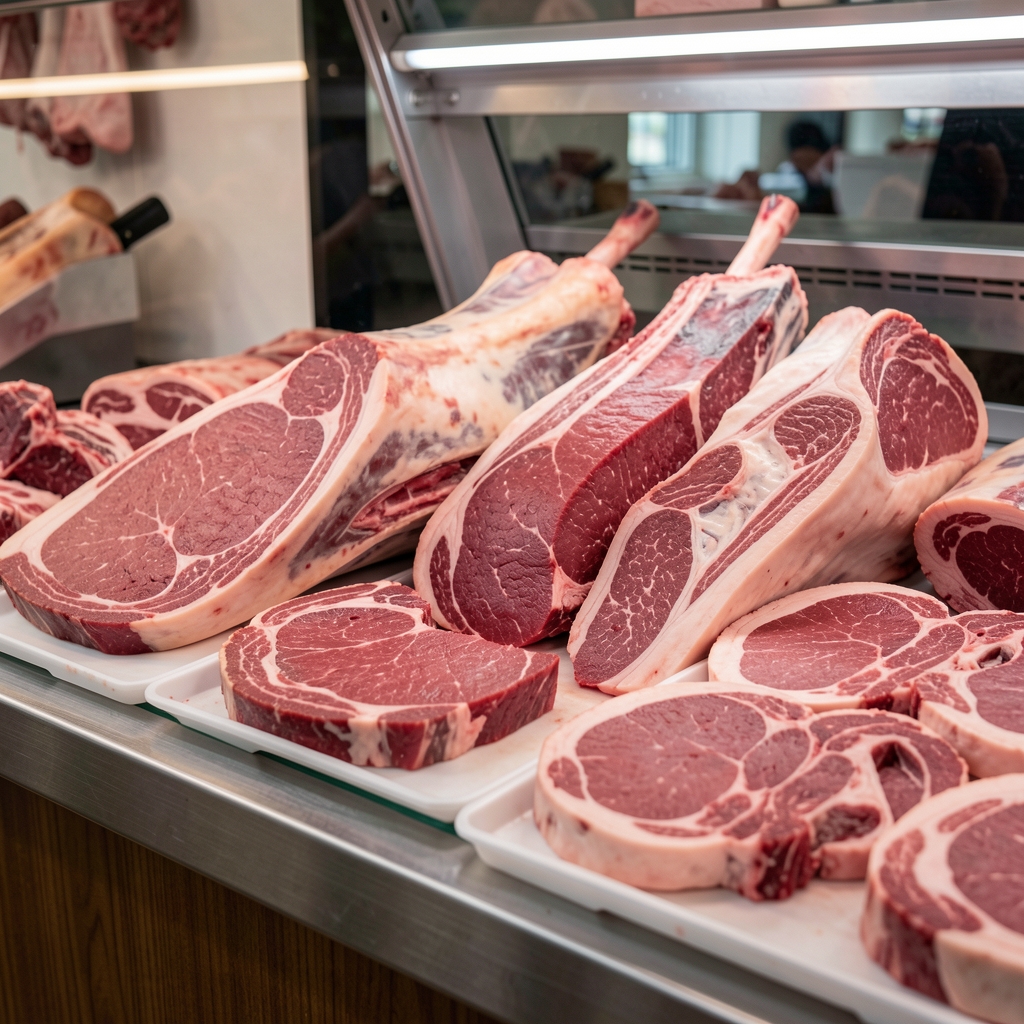
Few topics in nutrition writing attract as much confident, conflicting language as red meat, and readers researching general heart health information often encounter strong claims in both directions. This article sets out what UK dietary guidance generally says about red meat, saturated fat and cardiovascular wellbeing, written in plain, evidence-informed language. It does not tell any reader what to eat; it summarises publicly available guidance so a reader can form their own view and discuss it further with a GP or registered dietitian if useful.
What "red meat" and "saturated fat" mean
Red meat generally refers to beef, lamb and pork, as distinct from poultry and fish. Saturated fat is a category of dietary fat found in varying amounts across red meat, dairy and some plant oils. UK guidance discusses saturated fat as one of several fat types in the diet, alongside unsaturated fats found in oily fish, nuts, seeds and certain plant oils, generally suggesting a balance across these categories rather than eliminating any single food group.
What UK guidance generally says
NHS and British Heart Foundation guidance commonly suggests choosing leaner cuts, trimming visible fat, limiting processed meat, and balancing red meat with poultry, fish, legumes and plant-based proteins across a typical week. Portion size and frequency are generally discussed as more relevant than eliminating red meat entirely, and guidance tends to frame this as one part of an overall varied dietary pattern rather than a single decisive factor.
Processed versus unprocessed red meat
UK guidance generally distinguishes processed meat, such as bacon, sausages and cured products, from unprocessed cuts like a fresh steak or joint. Processed meat is more consistently discussed in guidance as a category to limit, partly due to its typical salt and preservative content, whereas unprocessed lean cuts are generally treated as compatible with a varied diet in moderate amounts.
Comparing common protein sources
The table below is a general descriptive comparison based on how UK dietary guidance commonly categorises different protein sources. It is not a personal recommendation and does not replace individual dietary advice.
| Protein source | Typical fat profile | Commonly discussed in guidance as |
|---|---|---|
| Lean unprocessed red meat | Moderate saturated fat, varies by cut | Suitable in moderate amounts within a varied diet |
| Processed red meat | Higher saturated fat and salt content typically | A category commonly discussed for limiting frequency |
| Poultry (skin removed) | Lower saturated fat generally | A commonly cited alternative within a varied diet |
| Legumes and plant proteins | Low in saturated fat, higher in fibre | Frequently referenced as a regular substitute option |